Exploring community bonds The social dynamics of gambling
Exploring community bonds The social dynamics of gambling
The Historical Context of Gambling in Society
Gambling has been an intrinsic part of human culture for centuries, tracing its origins back to ancient civilizations. In ancient China, for example, the practice of betting on games of chance is documented as early as 2300 BCE. As societies evolved, so did the forms and methods of gambling, from dice games in Rome to card games in the medieval period. This historical evolution illustrates that gambling has long served as a social activity, providing a way for individuals to bond and build connections, particularly when exploring options like the best bitcoin casino available today.

The role of gambling in social dynamics can be further understood by examining its impact on community cohesion. In many cultures, gambling was not just an individual pursuit but a communal event, where participants would come together to partake in games. This social interaction fostered relationships and strengthened community ties, revealing how gambling has historically served as a catalyst for social bonding among people. For instance, festivals and fairs often included gambling activities, reinforcing community identity and cultural traditions.
Over time, the perception of gambling has shifted, influenced by factors such as legislation and public sentiment. In some societies, gambling was demonized, considered a vice, while in others, it was embraced as an essential part of cultural identity. This duality highlights the intricate social dynamics at play, as attitudes toward gambling often reflect broader societal values. Understanding this context is crucial for analyzing contemporary community bonds surrounding gambling activities.
The Psychology of Gambling and Community Engagement
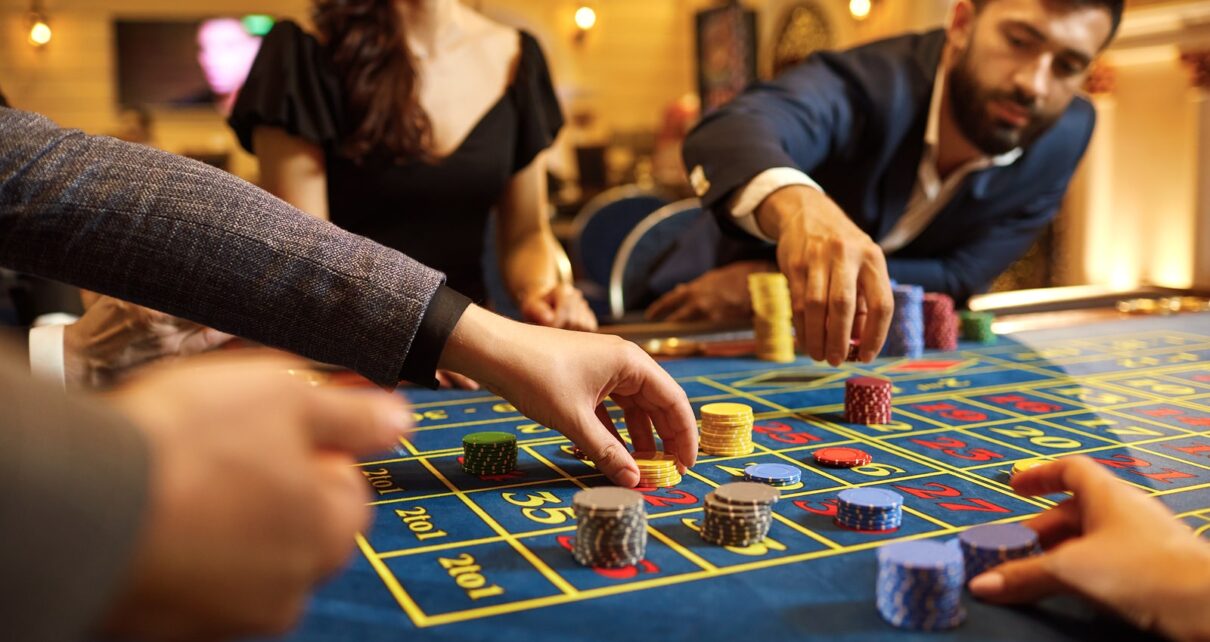
The psychology behind gambling is deeply intertwined with social dynamics. Many individuals are drawn to gambling due to the thrill of risk-taking and the potential for reward. This psychological allure is often amplified in communal settings, where shared experiences of excitement and anticipation can enhance enjoyment. When people gather to gamble, they engage in a collective emotional experience, which can strengthen interpersonal bonds and create a sense of belonging.
Moreover, the shared narratives and experiences that emerge from gambling contribute to community identity. Gamblers often recount tales of wins and losses, fostering camaraderie and connection among participants. This storytelling aspect is significant in creating social cohesion, as it allows individuals to share their experiences and emotions, reinforcing their ties to one another. In this way, gambling transcends mere financial transactions, evolving into a social event that fosters relationships and community solidarity.
However, it’s essential to recognize the darker side of gambling psychology, such as addiction and the potential for social isolation. While gambling can bring people together, it can also lead individuals to prioritize the activity over their relationships. This paradox underscores the need for a balanced approach to gambling within communities, where the positive aspects of social bonding are celebrated while addressing the risks of harmful behaviors. Navigating this balance is crucial for maintaining healthy community dynamics.
The Role of Technology in Modern Gambling Communities
The evolution of technology has significantly transformed the landscape of gambling, particularly with the rise of online platforms. Today, technology enables individuals to engage in gambling activities from the comfort of their homes, altering the traditional community dynamics. Online gambling creates virtual spaces where individuals can connect, share experiences, and participate in games without geographical constraints. This digital realm offers new opportunities for community building, albeit in a different format.
Moreover, social media plays a pivotal role in shaping modern gambling communities. Platforms like forums and social networks allow players to interact, share tips, and celebrate victories together. The ability to communicate and connect online fosters a sense of community among gamblers, similar to that found in traditional gambling settings. This interaction not only reinforces existing relationships but also enables individuals to form connections with like-minded enthusiasts around the globe.
However, while technology has facilitated community engagement in gambling, it also presents challenges. The anonymity of online gambling can lead to a lack of accountability, and some individuals may find themselves isolated despite being part of virtual communities. Additionally, the allure of online gambling can sometimes overshadow the importance of real-world connections, potentially undermining the very social bonds that make gambling a communal activity. Striking a balance between embracing technological advancements and nurturing in-person relationships is vital for the future of gambling communities.
Gambling as a Tool for Social Good
Interestingly, gambling can also serve as a tool for social good within communities. Many gambling organizations engage in philanthropy, using proceeds to support local initiatives, charities, and community development projects. This aspect highlights the potential for gambling to generate positive social impact while fostering a sense of shared responsibility among community members. When people participate in gambling activities that contribute to community enrichment, it enhances their sense of belonging and purpose.
Moreover, community-focused gambling initiatives can promote responsible gambling practices. Programs that emphasize education about the risks and benefits of gambling help create a culture of awareness and support. By encouraging responsible play, communities can mitigate the negative aspects of gambling while reinforcing positive social dynamics. This proactive approach not only fosters healthier relationships with gambling but also contributes to a more cohesive and resilient community.
Furthermore, engaging in community-based gambling events can strengthen local ties and foster collaboration among residents. Activities such as charity poker tournaments or local raffles can unite individuals for a common cause, enhancing social capital and encouraging collective action. These gatherings often serve as platforms for discussing community issues and fostering relationships, illustrating how gambling can be a vehicle for positive social engagement.

Conclusion: The Future of Gambling and Community Bonds
As we navigate the ever-evolving landscape of gambling, it becomes increasingly important to understand its social dynamics and implications for community bonds. From historical roots to modern practices, gambling has consistently served as a medium for social interaction and connection. By acknowledging both the positive and negative aspects, communities can create environments that celebrate the benefits of gambling while mitigating its risks.
In the face of technological advancements, it is crucial for communities to adapt and foster inclusive spaces where individuals can engage responsibly. By harnessing the power of both online and offline interactions, communities can build stronger social networks and maintain healthy relationships around gambling activities. The ongoing dialogue surrounding responsible gambling practices will play a significant role in shaping the future of community bonds.
Ultimately, understanding the social dynamics of gambling allows us to appreciate its multifaceted role in community life. As more individuals engage in gambling, whether in traditional settings or online platforms, fostering a sense of community will remain essential. In doing so, we can cultivate environments where individuals not only enjoy gambling as a pastime but also as a means of strengthening their social ties and contributing positively to their communities.